Make your inbox happier!

Subscribe to Our Newsletter

Technocrats

Technocrats

Topics

The IoT-5G Symbiosis: Powering the Smart Manufacturing Revolution

The catalyst for this change is the powerful, symbiotic relationship between the Internet of Things (IoT) and 5G wireless technology.

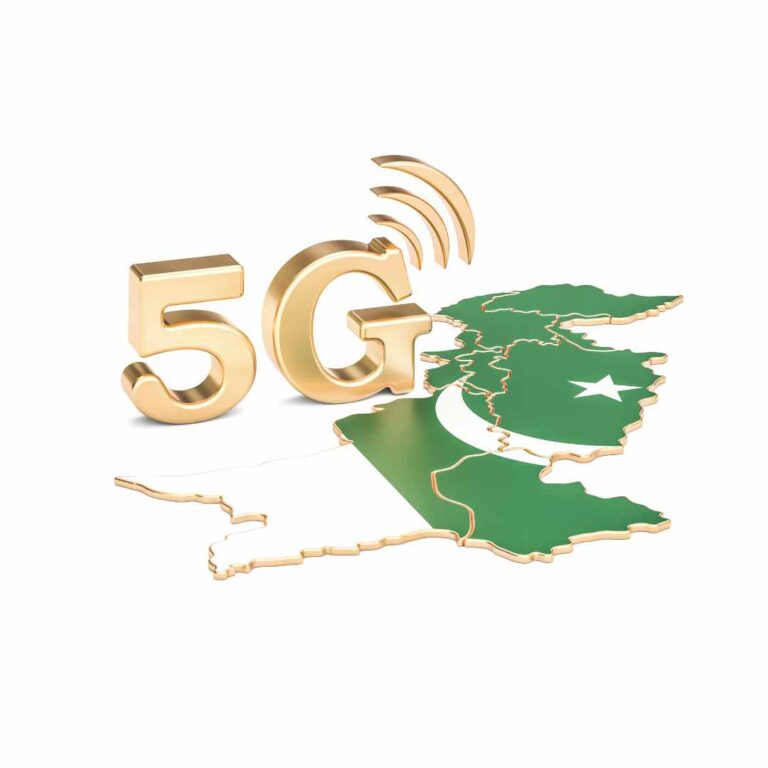
Pakistan’s manufacturing sector stands on the cusp of a major transformation, poised to leapfrog into the Fourth Industrial Revolution, or Industry 4.0. The catalyst for this change is the powerful, symbiotic relationship between the Internet of Things (IoT) and 5G wireless technology. This combination is not merely an incremental upgrade; it is a game-changer that promises to redefine efficiency, productivity, and global competitiveness for Pakistani industries.

The Foundation: IoT and Industrial Automation

At its core, the smart manufacturing revolution is driven by the Industrial Internet of Things (IIoT). This network of connected sensors, smart devices, and machines in a factory environment is already enabling a degree of automation and real-time monitoring.


In sectors like textiles, for instance, early adoption of IoT is facilitating:

  • Real-Time Monitoring: Tracking machine performance, resource consumption (energy, raw materials), and environmental parameters instantly.
  • Predictive Maintenance: Using sensor data to anticipate equipment failures, dramatically reducing downtime and costly, unscheduled repairs.
  • Quality Control: Enhancing precision and reliability through automated inspections and data analysis.

However, the full potential of these IoT deployments is often throttled by the limitations of traditional connectivity, particularly in complex factory setups demanding ultra-high reliability and low latency. This is where 5G enters the equation.

The Accelerator: 5G's Transformative Capabilities

5G is the essential network backbone required to unleash the full power of IIoT, acting as the indispensable partner in this technological symbiosis. Its unique features directly address the most significant bottlenecks in smart factory deployment:


  • Ultra-Reliable Low Latency Communications (URLLC): With a reaction time that can drop below one millisecond, 5G enables near-instantaneous machine-to-machine communication. This is critical for applications like real-time robotic control, remote operations, and augmented reality-assisted maintenance, where even a slight delay can compromise safety or product quality.
  • Enhanced Mobile Broadband (eMBB): Offering peak data rates far exceeding 4G, 5G can handle the massive data streams generated by thousands of high-definition cameras, sensors, and digital twin simulations, all operating simultaneously on the factory floor.
  • Massive Machine-Type Communications (mMTC): 5G is designed to support an unprecedented density of connected devices—up to a million per square kilometer. This scalability ensures that manufacturers can expand their IoT footprint without fear of network saturation

The synergy is clear: IoT generates the invaluable data and automation capabilities; 5G provides the network speed, reliability, and scale necessary to make it all happen in real-time. This coupling enables truly flexible and interconnected production lines, capable of high-level industrial automation and end-to-end supply chain visibility.

Pakistan's Digital Horizon: Opportunities and Readiness

Pakistan is actively pursuing its digital transformation vision, with the government and telecom operators working towards a commercial 5G launch, which is anticipated to drive economic growth and job creation. This rollout will be a pivotal moment for manufacturing, offering several key opportunities:

  • Boosted Productivity and Efficiency: Studies globally suggest that 5G-enabled factories can see significant overall productivity gains, driven by reduced assembly time and improved asset life.
  • Global Competitiveness: By adopting these advanced technologies, Pakistani manufacturers can reduce costs, achieve world-class quality, and accelerate their time-to-market, making them more attractive partners in global value chains.
  • Innovation Ecosystem: The requirement for custom industrial applications, private 5G networks within factories, and integrated IoT solutions will spur a new wave of local IT and tech startups.

The Road Ahead: Challenges to Overcome

While the vision is promising, realizing the full potential of the IoT-5G symbiosis in Pakistan requires navigating significant challenges:

  • Infrastructure Investment: The transition to 5G and the extensive deployment of IIoT devices demands substantial investment in new hardware, fiber optic expansion, and upgrading legacy systems.
  • Skills Gap: The successful operation and maintenance of smart factories require a workforce skilled in data analytics, cloud/edge computing, AI, and industrial communication protocols—a major challenge for many developing markets.
  • Cybersecurity: A highly connected factory is a larger target for cyber threats. Robust security measures, including encryption and authentication for the massive number of new devices, are non-negotiable.
  • Policy and Standardization: Clear national standards, spectrum regulation, and policy frameworks are essential to guide the adoption of this technology, particularly for Small and Medium Enterprises (SMEs) which form the backbone of the economy.

The IoT-5G symbiosis is the definitive path for Pakistan’s manufacturing sector to achieve its ‘smart’ potential. By strategically addressing the infrastructure and skill-development challenges today, the nation can ensure that its industries are not just participants in the global economy, but leading innovators in the future of manufacturing. The revolution is coming, and it will be wirelessly connected.


Technocrats

Technocrats

Keep in touch with our news & offers

Subscribe to Our Newsletter

Comments